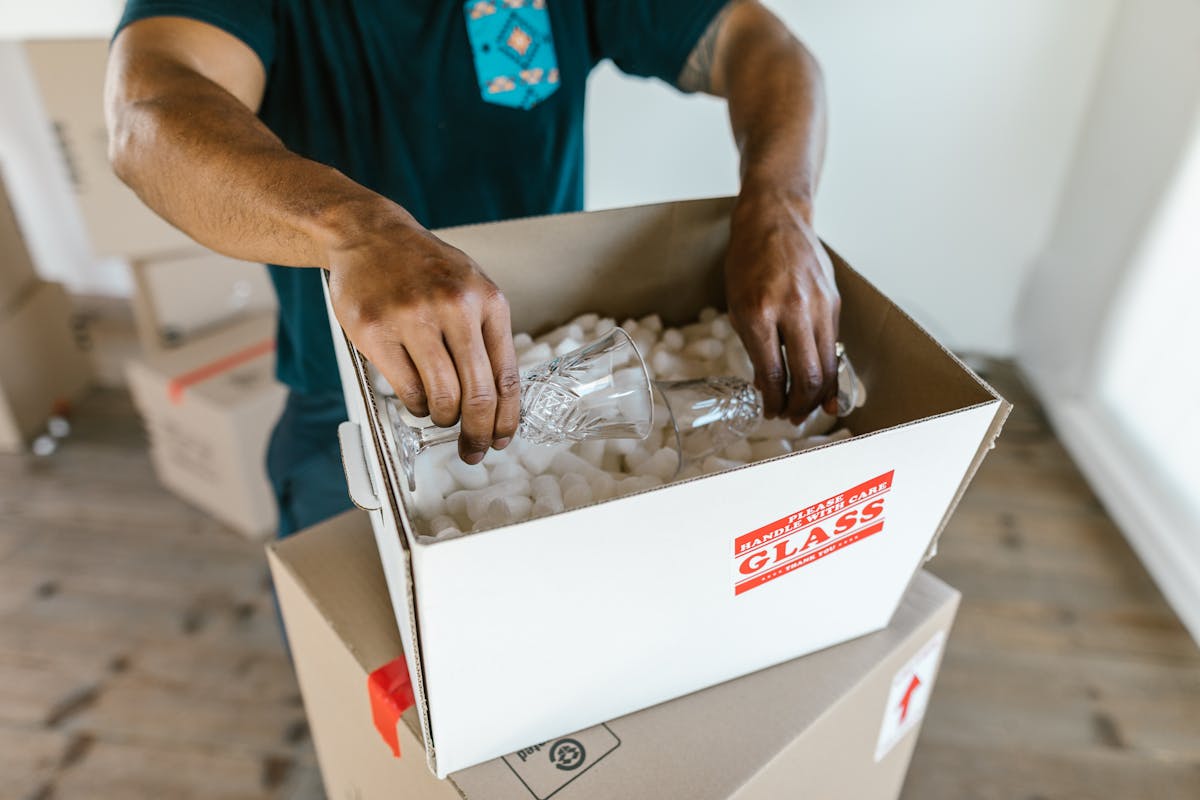
Moving to a new home can be exciting with proper planning
Moving to a new home is one of life’s most exciting milestones, yet without strategic planning, it can quickly transform into a stressful ordeal. From packing mishaps to last-minute complications, seemingly minor issues can cascade into major headaches. In this comprehensive guide, our moving experts share proven strategies and insider tips to help you relocate smoothly, safely, and stress-free.

Plan your move 3-4 weeks in advance for optimal results
One of the most common mistakes in relocation is procrastination. Waiting until the final week to prepare virtually guarantees unnecessary stress and complications. Industry experts recommend beginning your moving preparations at least 3-4 weeks before your scheduled moving date.
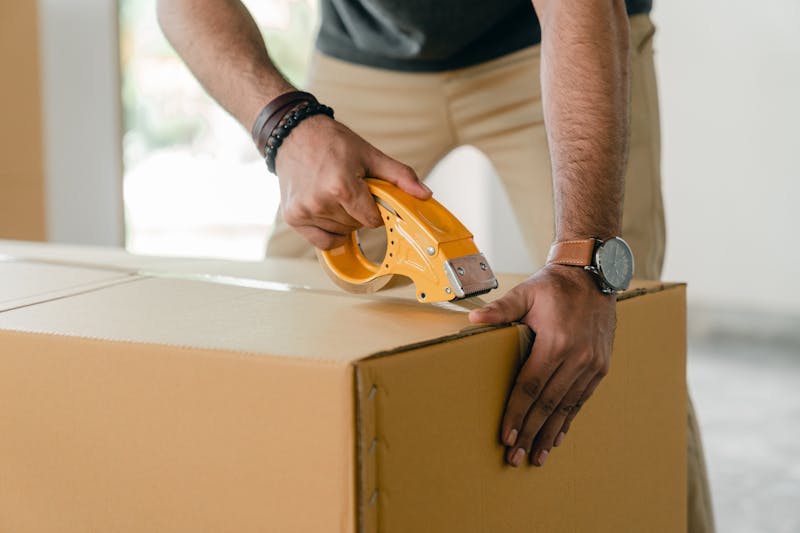
Systematic decluttering reduces moving costs and complexity
Before investing time and resources into packing, conduct a thorough decluttering process throughout your home. This strategic approach offers dual benefits: significantly reducing moving costs while simplifying the entire relocation process. Moving fewer items means lower transportation expenses and less unpacking work at your destination.
Essential items you actively use and genuinely need in your new home
Quality items in good condition that no longer serve your needs
Valuable possessions worth listing on online marketplaces or garage sales
Broken, damaged, or completely unusable items requiring disposal
Expert Insight: Professional organizers recommend the “12-month rule” — if you haven’t used an item within the past year, it’s a strong candidate for donation or sale. Be honest with yourself about what truly adds value to your life.
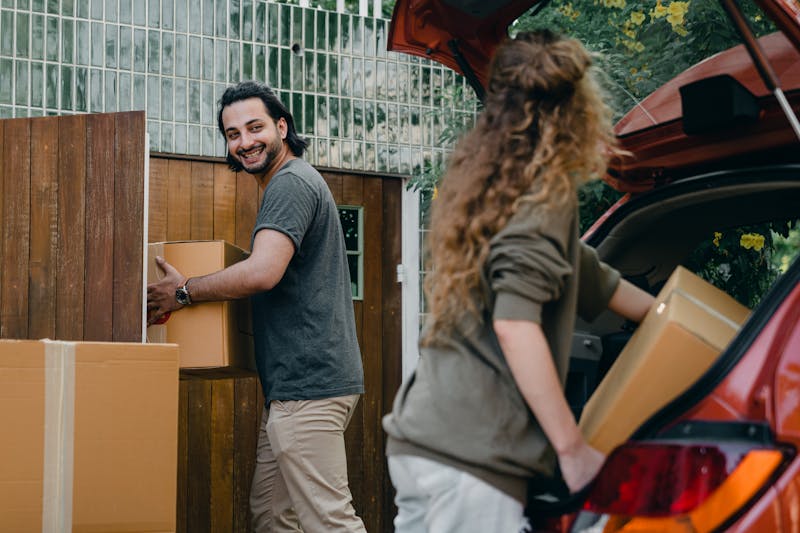
Quality packing materials protect your valuables during transit
Investing in professional-grade packing materials is non-negotiable for protecting your belongings. While budget alternatives might seem appealing initially, inferior materials often result in damaged items, ultimately costing far more than the savings. Prioritize sturdy boxes, premium bubble wrap, industrial-strength packing tape, and specialized protective covers.
| Material Type | Primary Purpose | Recommended Quantity |
|---|---|---|
| Small Boxes | Books, heavy items, kitchenware | 10-15 boxes |
| Medium Boxes | Kitchen supplies, toys, decorative items | 15-20 boxes |
| Large Boxes | Lightweight bulky items, linens, pillows | 5-10 boxes |
| Wardrobe Boxes | Hanging clothes without wrinkles | 2-4 boxes |
| Bubble Wrap | Fragile items, electronics, glassware | 2-3 rolls |
| Packing Paper | Wrapping, cushioning, filling gaps | 3-5 pounds |
| Packing Tape | Securing boxes firmly | 4-6 rolls |
| Furniture Covers | Protecting furniture from scratches | As needed |

Comprehensive labeling streamlines unpacking and prevents confusion
A systematic labeling strategy transforms chaotic unpacking into an organized, efficient process. Clear, detailed labels eliminate confusion and ensure fragile items receive appropriate handling throughout the moving process.
┌─────────────────────────────────┐
│   KITCHEN - GLASSWARE           │
│   ⚠️  FRAGILE - HANDLE WITH CARE │
│                                 │
│   Contents: Wine glasses,       │
│   champagne flutes, tumblers    │
│                                 │
│   Priority: ⭐ Open First Day    │
│   Floor: Ground Level           │
└─────────────────────────────────┘
Exact room location in new home
Brief description of box contents
Fragile warnings, orientation markers
Unpacking sequence (immediate/later)

A dedicated essentials kit ensures comfort during transition
Your first night in a new home shouldn’t involve frantically searching through dozens of boxes for basic necessities. Prepare a clearly labeled “Open First” essentials box or suitcase containing everything needed for immediate comfort and functionality.

Individual wrapping prevents damage to delicate items
Fragile items require meticulous attention and specialized packing techniques. Rushed or improper packing of glassware, ceramics, electronics, and artwork frequently results in costly damage. Follow these professional protocols to ensure safe transport.
Line the box bottom with at least 3 inches of cushioning material (bubble wrap, packing paper, or foam).
Wrap each fragile item completely and individually with bubble wrap or multiple layers of packing paper. Secure with tape.
Place heaviest items at the bottom, lighter items toward the top. Never stack fragile items directly on top of each other.
Insert cardboard dividers between items, especially for glassware and dishes. This prevents items from touching during transport.
Use crumpled packing paper or bubble wrap to eliminate empty spaces. The box contents should not shift when gently shaken.
Seal firmly with quality packing tape. Mark “FRAGILE” prominently on all six sides of the box with handling arrows.
Electronics: Pack in original boxes when possible. If unavailable, use anti-static bubble wrap and clearly label orientation.
Artwork & Mirrors: Use specialized picture boxes or create custom packaging with corner protectors and rigid backing.
Antiques: Consider professional packing services for irreplaceable or highly valuable items.

Professional movers ensure safe, efficient relocation
While DIY moving might appear cost-effective initially, professional movers offer invaluable expertise, efficiency, and peace of mind that typically outweigh the expense. Their experience handling thousands of relocations translates to faster, safer moves with significantly reduced stress.
Professional teams complete moves in hours rather than days. They handle all physical labor, complex logistics, and transportation coordination, allowing you to focus on other relocation priorities.
Trained in proper lifting techniques and specialized equipment operation, professionals minimize injury risk. Comprehensive insurance coverage protects your belongings against unforeseen damage or loss.
Access to professional-grade moving trucks, furniture dollies, ramps, protective blankets, and strapping systems ensures secure transport of even the heaviest or most awkward items.
Professional movers navigate challenging situations routinely—narrow stairways, tight corners, valuable antiques—with techniques developed through years of experience.
Confirm proper licensing and adequate insurance coverage. Request certificate of insurance.
Check Google, Yelp, and Better Business Bureau ratings. Request recent customer references.
Obtain detailed written quotes from multiple companies. Beware of estimates significantly below market rate.
Review all terms carefully. Clarify services included, payment terms, and cancellation policies.

Coordinate utility transfers to avoid service gaps
Coordinating utility transfers prevents service interruptions that could leave you without essential services in your new home. Strategic planning ensures electricity, water, internet, and other critical services activate seamlessly upon arrival.
Schedule 1-2 days before move
Activate on moving day
Requires technician visit
Book 2-3 weeks advance
Update address/transfer
Confirm pickup schedule

Pre-move inspection identifies issues before furniture arrives
Conducting a thorough pre-move inspection allows you to identify and address issues before moving day complications arise. This proactive approach prevents unpleasant surprises and ensures your new home is truly move-in ready.

Transport critical documents personally, never with moving truck
Critical documents should never be packed with general household items or loaded onto moving trucks. These irreplaceable papers require personal transport in secure, weatherproof containers that remain in your possession throughout the entire moving process.
Use Waterproof Container: Store documents in weatherproof, fireproof portable file box or briefcase
Create Digital Backups: Scan critical documents and store encrypted copies in secure cloud storage
Personal Transport Only: Keep document container in your personal vehicle, never on moving truck
Maintain Inventory: Create checklist of all documents; verify completeness before and after move

Answer: For standard moves during off-peak periods, book movers at least 2-3 weeks in advance. However, peak moving seasons (summer months, weekends, and month-end dates) require earlier booking—ideally 4-6 weeks ahead. Last-minute bookings often result in limited availability and higher rates.
Answer: Professional movers cannot legally transport certain items:
Answer: Moving costs vary significantly based on distance, volume, services, and timing. Local moves (under 100 miles) typically range from $300-$2,000, averaging $80-$120 per hour for a two-person crew. Long-distance moves cost $2,000-$10,000+ depending on distance and weight. Request multiple detailed written estimates for accurate pricing.
Answer: Tipping is customary for satisfactory service. Standard guidelines recommend $20-$30 per mover for local moves, or 5-10% of total moving cost for long-distance relocations. Exceptional service, challenging circumstances (stairs, heavy items), or extra effort warrant higher gratuities. Tip each mover individually in cash at completion.
Answer: Cost-saving strategies include:
Answer: For hanging clothes, use wardrobe boxes which allow garments to remain on hangers, preventing wrinkles. For folded clothes, pack in suitcases or sturdy boxes with vacuum-sealed bags to maximize space. Leave clothes in dressers if movers allow (confirm weight limits). Pack out-of-season clothes first, keeping current wardrobe accessible.
Answer: Submit USPS change of address 1-2 weeks before moving. Additionally notify:
Answer: Document damage immediately with photographs. Note damages on the moving company’s inventory sheet before the crew leaves. File a written claim with the moving company according to their specified procedure and timeline (typically within 9 months). Keep all documentation, receipts, and correspondence. Review your moving contract’s liability coverage—additional insurance may be necessary for high-value items.

Stay organized and stress-free with our comprehensive moving checklist, meticulously designed by relocation experts with decades of experience.
Week-by-Week Planning Guide: Daily tasks broken down chronologically
Room-by-Room Packing Schedule: Strategic packing order and timelines
Utility Transfer Coordinator: Never miss a disconnection or activation
Address Change Checklist: Complete list of entities to notify
Moving Budget Worksheet: Track expenses and avoid financial surprises
Inventory Management Templates: Document belongings for insurance
✉️ Instant download • No credit card required • Printable PDF format
Let our experienced team handle every detail of your relocation
Planning your upcoming move? Our expert team is ready to provide a free, no-obligation consultation and detailed quote tailored to your specific needs.
Proudly Serving: Lahore, Karachi, Islamabad, Rawalpindi, Faisalabad, Multan, and surrounding areas throughout Pakistan